Trump Administration Announces Historic TikTok Deal with China: Framework Agreement Reached After Years of Legal Battle
After years of legal uncertainty and political maneuvering, the Trump administration announced on Monday that the United States and China have reached a preliminary framework agreement to resolve the contentious TikTok ownership dispute. The breakthrough came during high-level trade negotiations in Madrid. U.S. Treasury Secretary Scott Bessent confirmed that a deal structure has been established to transition the popular social media platform to U.S. ownership. This addresses longstanding national security concerns. President Donald Trump and Chinese President Xi Jinping are scheduled to finalize the agreement during a phone call on Friday. This marks a potential end to the prolonged saga that has kept TikTok’s 170 million American users in limbo. The framework deal represents a significant diplomatic victory for the Trump administration, which has leveraged broader trade negotiations to secure Chinese cooperation on the platform’s divestiture just two days before a September 17 deadline that would have triggered a nationwide ban.https://www.mindviewmagazine.com/
Close-up of TikTok app icon on a smartphone screen among other social media apps
Breaking News: Framework Agreement Emerges from Madrid Trade Talks
The announcement of a TikTok framework deal came as a surprise development during the fourth round of U.S.-China trade discussions held in Madrid, Spain. Treasury Secretary Scott Bessent, leading the American delegation, revealed that negotiators from both nations had established the basic structure for transferring TikTok’s U.S. operations to American ownership. This emerged after intensive two-day negotiations that addressed multiple bilateral issues, including tariffs, technology export controls, and the future of Chinese-owned applications operating in the United States.
“We have a framework for a TikTok deal,” Bessent announced during a press conference in Madrid. “The framework involves a shift to U.S.-controlled ownership,” he explained, though he declined to provide specific details about the commercial arrangements. The Treasury Secretary emphasized that the agreement represents a balance between addressing American national security concerns while ensuring fairness for Chinese stakeholders.
U.S. officials expressed optimism for the future of TikTok in America, following successful negotiations with their Chinese counterparts. Treasury Secretary Scott Bessent announced the establishment of a basic framework for the transfer of TikTok’s U.S. operations to American ownership after two days of intense discussions in Madrid. The agreement, which remains subject to further details, aims to address national security interests while promoting equity among all involved parties.
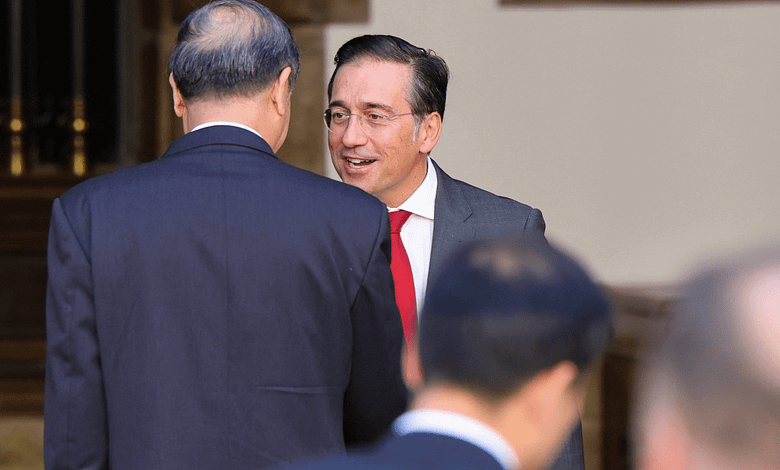
Officials in formal suits engage during a US-China trade negotiation meeting in Madrid
The timing of the breakthrough proved crucial, coming just 48 hours before the September 17 deadline established by federal law. Under the Protecting Americans from Foreign Adversary Controlled Applications Act, TikTok faced an imminent ban unless its Chinese parent company, ByteDance, divested its U.S. operations to an American-owned entity. The framework agreement provides a pathway to compliance with federal requirements while avoiding disruption that would have affected millions of American users.
President Trump confirmed the development through his Truth Social platform, writing: “The big Trade Meeting in Europe between The United States of America and China has gone VERY WELL! A deal was also reached on a ‘certain’ company that young people in our Country very much wanted to save. They will be very happy! I will be speaking to President Xi on Friday”. This represents a significant evolution in Trump’s position on TikTok, marking his transformation from an advocate for banning the platform during his first term to becoming instrumental in securing its continued operation in the United States.
For TikTok’s massive American user base, the framework agreement represents relief from months of uncertainty about the platform’s future. The app has continued operating throughout the legal proceedings, maintaining its position as one of the most popular social media platforms among younger demographics. Trump has acknowledged TikTok’s role in his 2024 electoral success, particularly in reaching younger voters who traditionally support Democratic candidates.
ss=”rank-math-highlight” style=”background-color: #fee894″>As the negotiations continue, the implications for users span beyond ownership. The outcome of this deal will likely shape the future of social media governance in the U.S.
The framework agreement represents the culmination of a complex legal and political saga that began during Trump’s first presidency and continued through the Biden administration. The controversy surrounding TikTok’s Chinese ownership has centered on national security concerns. Intelligence officials and lawmakers express fears that the Chinese government could access American user data or manipulate content algorithms for propaganda purposes.
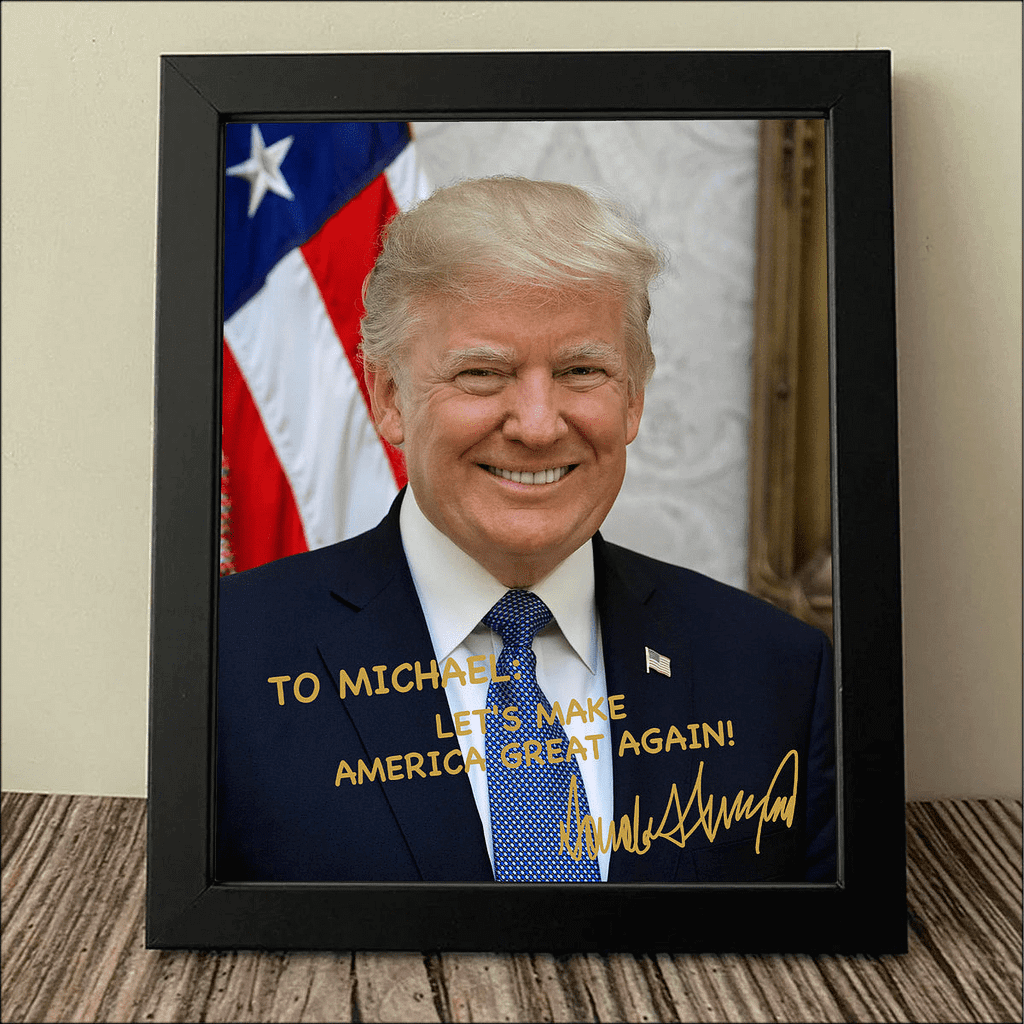
Official 2025 portrait of Donald Trump with a personalized message and signature in a black frame
The legislative foundation for the current situation was established in April 2024, when Congress passed the Protecting Americans from Foreign Adversary Controlled Applications Act with bipartisan support. President Joe Biden signed the legislation into law on April 24, 2024, setting a January 19, 2025 deadline for ByteDance to divest TikTok’s U.S. operations or face a nationwide ban. The law survived multiple legal challenges, including a Supreme Court case that upheld its constitutionality in January 2025.
TikTok briefly went dark for American users on January 18, 2025, displaying messages that “A law banning TikTok has been enacted in the U.S.” However, the platform was restored within hours after Trump’s inauguration, when the new president signed an executive order delaying enforcement for 75 days. This marked the beginning of a series of deadline extensions, with Trump subsequently pushing the date to April, then June, and finally to September 17, 2025.
Throughout this period, various potential buyers and investment groups expressed interest in acquiring TikTok’s U.S. assets. Names mentioned included Tesla CEO Elon Musk, YouTube creator MrBeast, billionaire Frank McCourt, and notably, Oracle Corporation and its executive chairman Larry Ellison. Oracle emerged as a leading contender due to its existing relationship with TikTok through Project Texas, an initiative launched around 2022 that moved American user data to Oracle-managed servers.
Key Players and the Oracle Connection
Oracle Corporation has emerged as the most likely American partner in the TikTok deal, leveraging its existing infrastructure relationship with the platform. The software giant has been managing TikTok’s U.S. user data since 2022 as part of Project Texas, a security initiative designed to address congressional concerns about data protection. This existing partnership positions Oracle uniquely to assume greater control over TikTok’s American operations without requiring a complete technical overhaul.
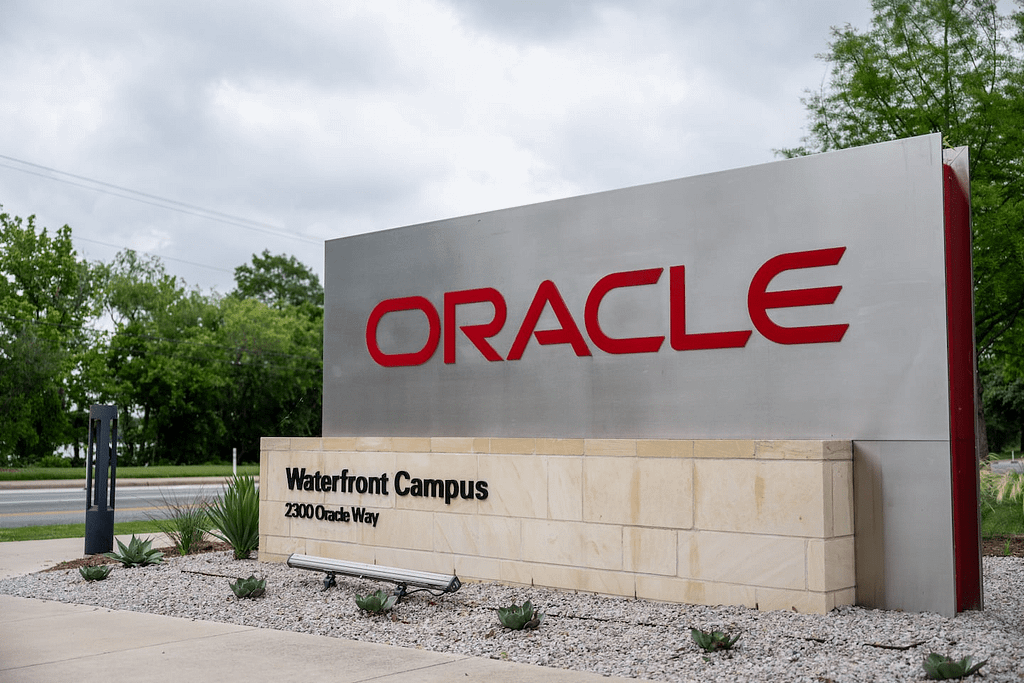
Oracle Waterfront Campus sign at 23000 Oracle Way highlights the company’s presence in technology sector news
Larry Ellison, Oracle’s executive chairman and co-founder, has maintained close ties with the Trump administration throughout the negotiations. In January, Ellison joined OpenAI CEO Sam Altman and SoftBank CEO Masayoshi Son at the White House to announce Stargate, a $500 billion artificial intelligence infrastructure initiative. Trump has publicly expressed support for Ellison’s potential acquisition of TikTok, stating in January: “I’d rather have Larry buy it”.
The Oracle connection extends beyond personal relationships to substantial business considerations. Oracle’s stock price surged more than 4% following Trump’s announcement of the framework deal, reflecting investor confidence in the company’s position. The technology firm has experienced remarkable growth in 2025, with shares rising 81% year-to-date, largely driven by its expansion in cloud computing and artificial intelligence services.
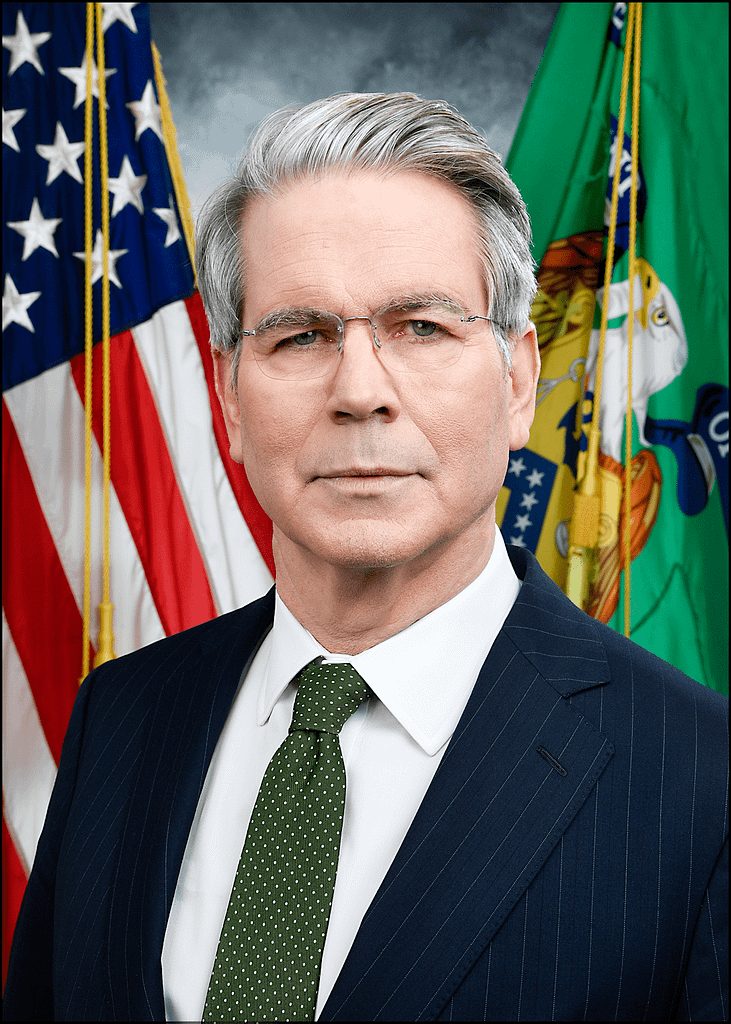
Official portrait of Treasury Secretary Scott Bessent with U.S. and departmental flags in the background
Treasury Secretary Scott Bessent has emerged as a crucial figure in the negotiations, leading the American delegation in Madrid and serving as the primary spokesperson for the framework agreement. Bessent’s role reflects the broader integration of the TikTok issue into comprehensive trade discussions between the United States and China. His emphasis on balancing national security concerns with commercial fairness has been central to achieving Chinese cooperation in the divestiture process.
National Security Imperatives and Congressional Oversight
The national security rationale underlying the TikTok legislation reflects deep-seated concerns about Chinese government access to American user data and potential content manipulation. Congressional leaders have consistently argued that Chinese law requires domestic companies to share information with intelligence services, creating inherent risks for platforms operating in the United States.
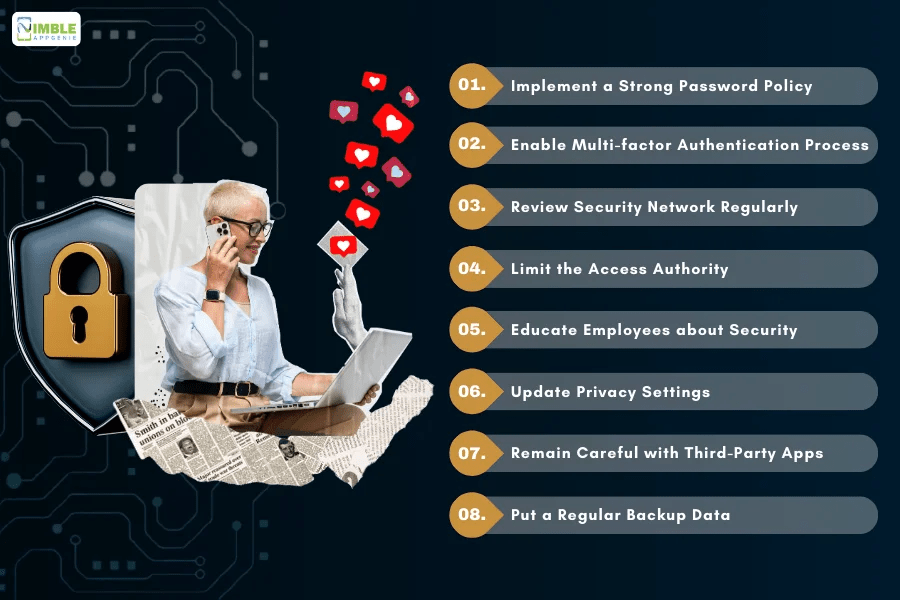
Best practices checklist for securing social media apps including strong passwords, multi-factor authentication, and privacy updates
Representative Cathy McMorris Rodgers, who chaired crucial House hearings on TikTok, articulated these concerns by stating: “The CCP’s laws require Chinese companies like ByteDance to spy on their behalf. That means any Chinese company must grant the CCP access and manipulation capabilities as a design feature”. These national security arguments gained bipartisan support in Congress, leading to the overwhelming passage of the divestiture legislation.
The framework agreement addresses these concerns by establishing American ownership and control over TikTok’s U.S. operations, though specific details about algorithm ownership and data governance remain unclear. Treasury Secretary Bessent emphasized that the deal structure ensures “U.S. national security interests” are protected while maintaining some undefined “Chinese characteristics” of the platform.
However, some congressional Republicans have expressed skepticism about potential deals that allow ByteDance to retain any stake in TikTok’s operations. Critics argue that superficial ownership changes may not address underlying security vulnerabilities if core technology and algorithms remain under Chinese control. The White House will ultimately determine whether the framework agreement satisfies legal requirements for qualified divestiture under federal law.
Trade Negotiations Context and Diplomatic Implications
The TikTok framework agreement emerged from broader U.S.-China trade negotiations that have been ongoing since May 2025, when Trump imposed new tariffs on Chinese imports. The Madrid talks represent the fourth round of discussions, following previous meetings in Geneva, London, and Stockholm, aimed at reducing trade tensions between the world’s two largest economies.
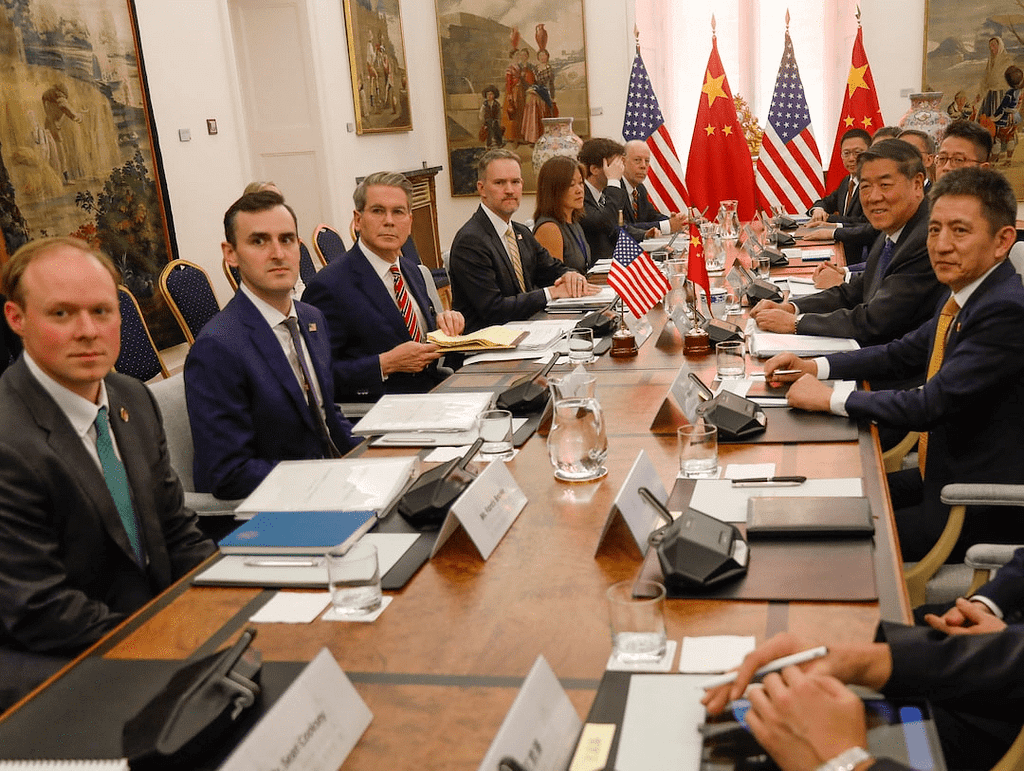
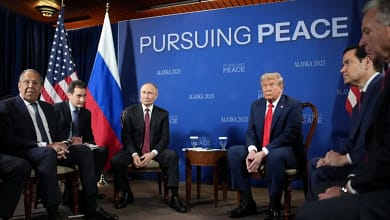
US and China representatives in a formal diplomatic meeting, negotiating trade and TikTok agreement in Madrid
Chinese officials have used the TikTok negotiations as leverage to seek concessions on other trade issues, including tariff reductions and relaxation of technology export controls. Treasury Secretary Bessent revealed that “our Chinese counterparts have come with a very aggressive ask,” referring to demands that extended beyond TikTok to broader economic policy. The American negotiating position remained firm that “we are not willing to sacrifice our national security for a social media app”.
The framework agreement appears to set the stage for a potential summit between President Trump and Chinese President Xi Jinping later in 2025. Trump has planned an Asia trip for late October and early November, potentially providing an opportunity for their first face-to-face meeting during Trump’s second term. The successful resolution of the TikTok issue could facilitate broader diplomatic engagement between the two nations.
Chinese Vice Minister of Commerce Li Chenggang confirmed that both sides had reached a “basic framework consensus that adequately addresses TikTok-related matters through cooperative efforts, lowers investment obstacles, and fosters relevant economic and trade collaboration”. This language suggests that the agreement extends beyond TikTok to encompass broader commercial relationships between American and Chinese technology companies.
Market Response and Industry Implications
The announcement of the TikTok framework agreement triggered immediate positive market reactions, particularly for companies positioned to benefit from the deal structure. Oracle Corporation led the gains, with shares climbing more than 4% in trading following Trump’s social media announcement. The stock surge reflected investor confidence in Oracle’s role as the likely American partner in TikTok’s transition.
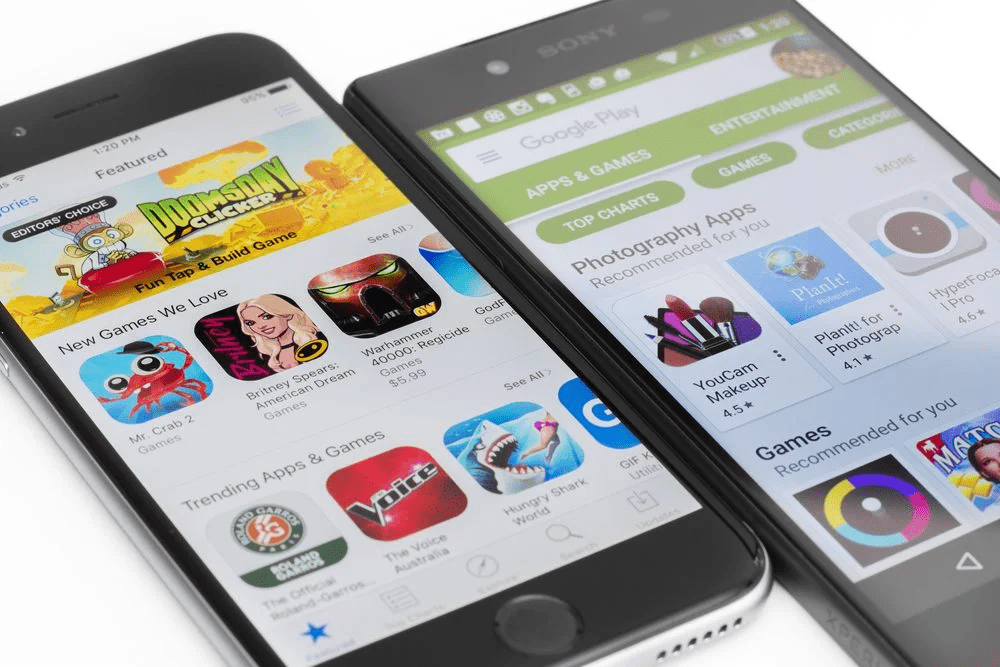
Side-by-side comparison of Apple App Store and Google Play Store interfaces on smartphones showing featured apps and categories
The broader technology sector responded positively to news of a potential resolution to the TikTok controversy. Industry analysts have long viewed the uncertainty surrounding TikTok as a precedent-setting case for other Chinese-owned technology companies operating in the United States. A successful divestiture framework could provide a model for resolving similar national security concerns while preserving commercial relationships.
ByteDance, TikTok’s Chinese parent company, has not publicly responded to the framework agreement announcement. The company’s valuation has been a significant factor in divestiture negotiations, with estimates suggesting TikTok’s global operations could be worth $200 billion or more. The commercial terms agreed upon in Madrid remain confidential, though Treasury Secretary Bessent confirmed that “the commercial terms have been agreed upon” between private parties.
Various Apple devices displaying diverse apps from the Apple App Store ecosystem, highlighting mobile app technology and content variety
The framework agreement’s impact extends beyond immediate stakeholders to the broader social media landscape. TikTok’s 170 million American users have remained largely engaged with the platform despite ongoing legal uncertainty. The resolution of ownership questions could facilitate the platform’s continued growth and innovation while addressing regulatory concerns that have constrained its operations.
User Impact and Platform Continuity
For TikTok’s massive American user base, the framework agreement represents relief from months of uncertainty about the platform’s future. The app has continued operating throughout the legal proceedings, maintaining its position as one of the most popular social media platforms among younger demographics. Trump has acknowledged TikTok’s role in his 2024 electoral success, particularly in reaching younger voters who traditionally support Democratic candidates.
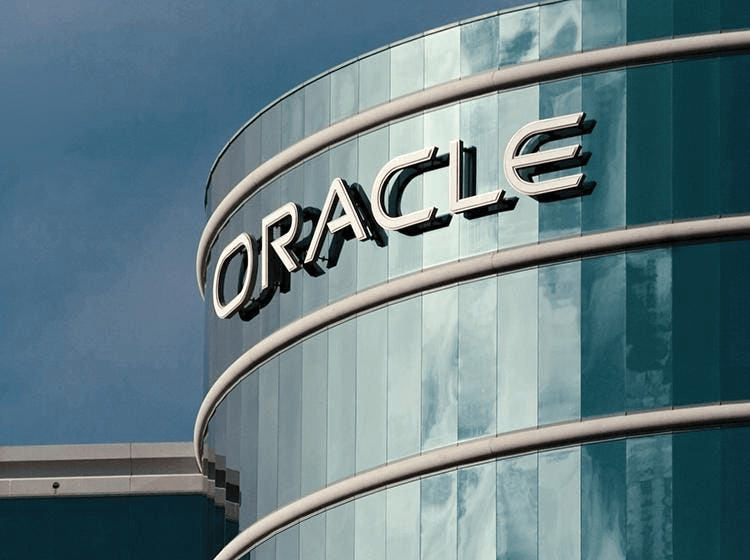
Oracle headquarters with prominent logo on a modern glass building, representing the company’s involvement in the TikTok deal with China during the Trump administration
The transition to American ownership is expected to occur with minimal disruption to user experience, given Oracle’s existing infrastructure relationship with the platform. Project Texas, which began in 2022, has already established the technical framework for managing American user data separately from TikTok’s global operations. This existing separation could facilitate a smoother ownership transition than would be possible with other potential buyers.
Content creators and small businesses that have built audiences and revenue streams through TikTok have welcomed news of the framework agreement. The platform has become integral to digital marketing strategies for millions of American entrepreneurs, particularly in sectors like fashion, food, and entertainment. Continued operation under American ownership preserves these economic relationships while addressing regulatory concerns.
However, questions remain about how the ownership transition might affect TikTok’s recommendation algorithm, which has been central to the platform’s success in keeping users engaged. Chinese export control regulations have historically restricted the transfer of algorithm technology, though the framework agreement suggests these issues have been resolved through the Madrid negotiations.
Congressional Reactions and Legislative Oversight
While the White House celebrates the framework agreement, congressional reaction has been more measured, with many lawmakers emphasizing the need to review specific terms before declaring success. The legislation requiring TikTok’s divestiture was passed with overwhelming bipartisan support, reflecting genuine national security concerns that extend beyond partisan politics.
Key congressional leaders involved in TikTok oversight have requested briefings on the framework agreement’s details, particularly regarding algorithm ownership and ongoing Chinese influence. House Committee on Chinese Communist Party members have been particularly vocal about ensuring that any deal genuinely addresses security vulnerabilities rather than creating cosmetic changes that preserve Chinese control.
U.S. Trade Representative Jamieson Greer indicated that while a brief extension of the September 17 deadline might be necessary to finalize documentation, there would be no further ongoing extensions of the divestiture requirement. This statement signals administration confidence that the framework agreement provides a clear path to legal compliance within a reasonable timeframe.
The congressional role in overseeing TikTok’s transition reflects broader concerns about executive authority in national security matters. Some legal experts have questioned whether Trump’s previous deadline extensions exceeded presidential powers under the original legislation. The framework agreement’s success could validate the administration’s approach while establishing precedents for future cases involving foreign-owned technology platforms.
Future Implications and Precedent Setting
The TikTok framework agreement has significant implications beyond resolving the immediate controversy surrounding the platform. The case establishes important precedents for how the United States will address national security concerns related to foreign-owned technology companies while preserving commercial relationships and user rights.

The sleek and modern interior of ByteDance’s headquarters in Beijing, reflecting the innovative environment of the TikTok parent company
The successful negotiation of Chinese cooperation in the divestiture process demonstrates that economic leverage can be effective in addressing national security concerns. The integration of TikTok negotiations into broader trade discussions allowed American negotiators to offer incentives for Chinese flexibility while maintaining firm security requirements. This approach could inform future cases involving other Chinese technology companies or platforms.
The framework agreement also establishes a model for addressing algorithm ownership and data governance in international technology transactions. The specific terms negotiated in Madrid could provide templates for other cases where recommendation systems and user data represent core competitive advantages that companies are reluctant to transfer.
For the technology industry broadly, the TikTok resolution signals that national security reviews of foreign ownership will continue to be a significant factor in corporate strategy. Companies with international ownership structures may need to develop contingency plans for potential divestiture requirements, particularly in sensitive sectors like social media, telecommunications, and artificial intelligence.
Conclusion: A Diplomatic Victory with Lasting Consequences
The framework agreement announced by the Trump administration represents a significant diplomatic and policy achievement that resolves one of the most contentious technology issues in U.S.-China relations. By successfully negotiating Chinese cooperation in TikTok’s divestiture while preserving the platform’s operations for American users, the administration has demonstrated that firm negotiating positions combined with economic leverage can produce results that protect national security while maintaining commercial relationships.
The path to resolution required extraordinary persistence through multiple deadline extensions, legal challenges, and complex international negotiations. The integration of TikTok discussions into broader trade talks proved crucial in providing sufficient incentives for Chinese flexibility on an issue that Beijing had previously treated as non-negotiable.
As President Trump and President Xi prepare for their Friday conversation to finalize the agreement, the framework deal already represents a template for addressing future conflicts between national security imperatives and the global nature of modern technology platforms. The success of this approach may encourage similar negotiations in other sectors where foreign ownership raises security concerns.
For TikTok’s 170 million American users, content creators, and the broader digital economy, the framework agreement provides the certainty needed for continued growth and innovation. The platform’s transition to American ownership under Oracle’s management preserves the user experience while addressing the legitimate security concerns that motivated congressional action.
The lasting significance of this agreement extends far beyond TikTok itself, establishing precedents for international technology governance that will influence policy decisions for years to come. As global digital platforms continue to transcend national boundaries, the framework developed through these negotiations provides a roadmap for balancing security, commerce, and user rights in an increasingly interconnected world.
The Trump Administration’s announcement of a historic TikTok deal with China signifies a significant breakthrough after years of legal disputes. For the platform’s 170 million American users and content creators, the framework agreement offers stability for growth and innovation, while ensuring a seamless transition to American ownership under Oracle’s management. This agreement not only addresses security concerns but also sets a crucial precedent in international technology governance, shaping future policy decisions amid the evolving landscape of global digital platforms.